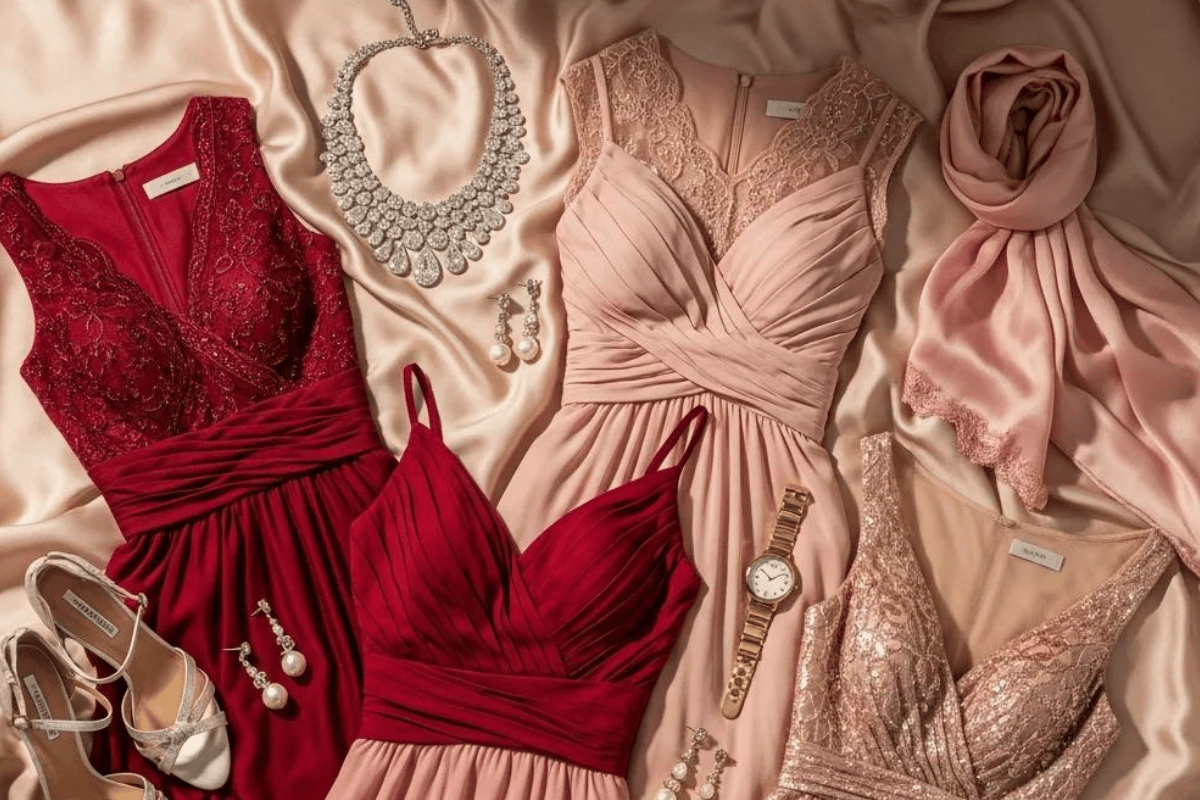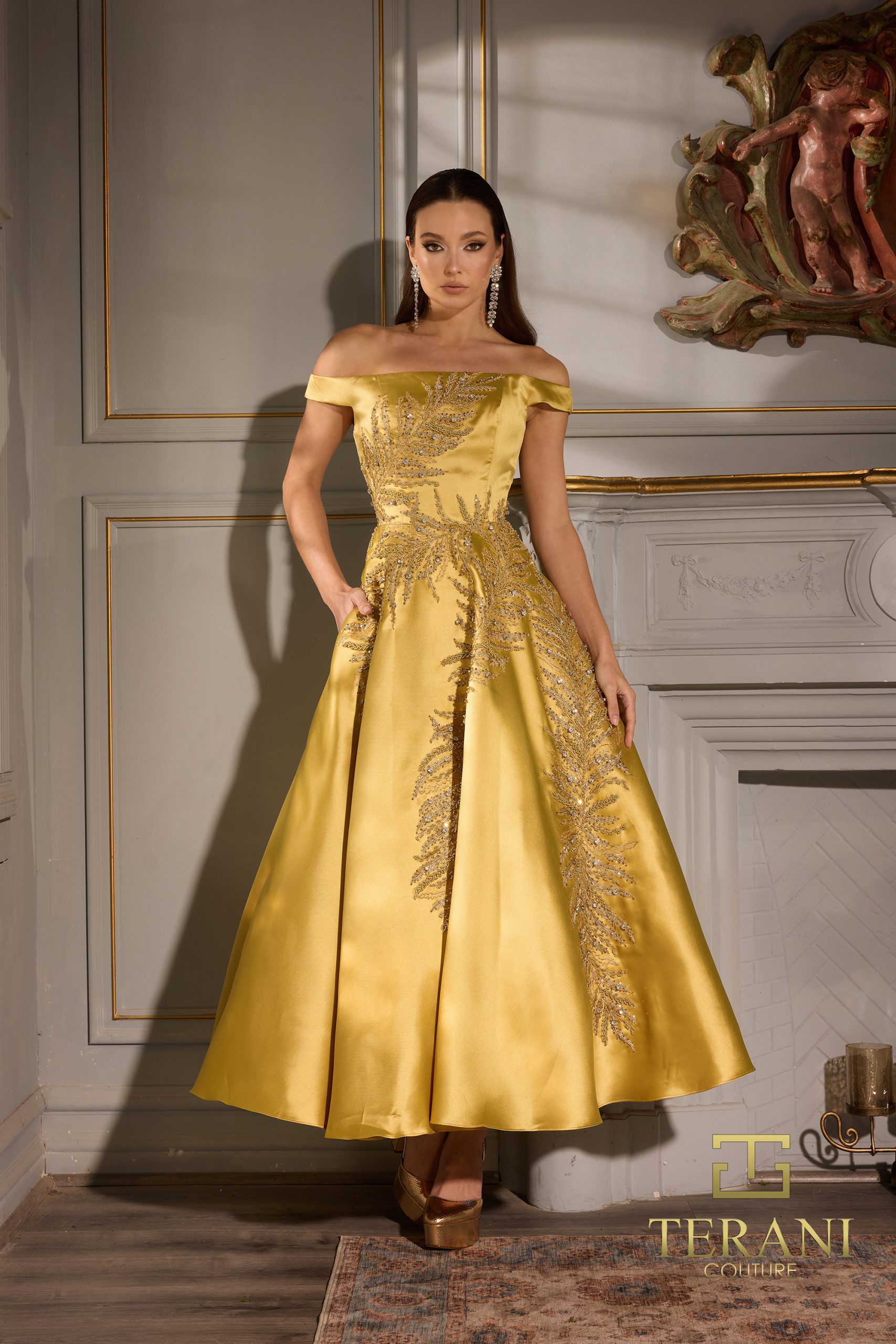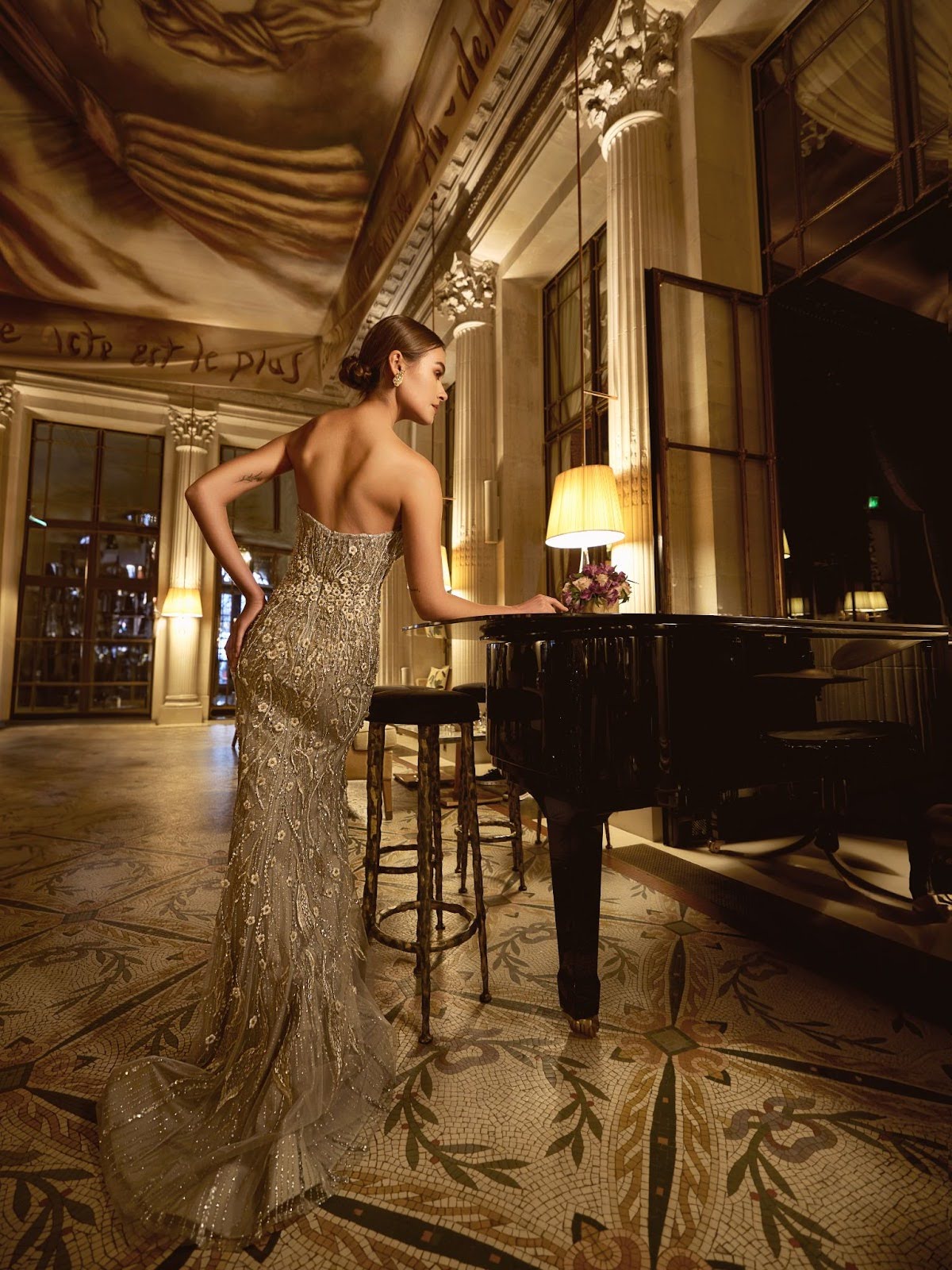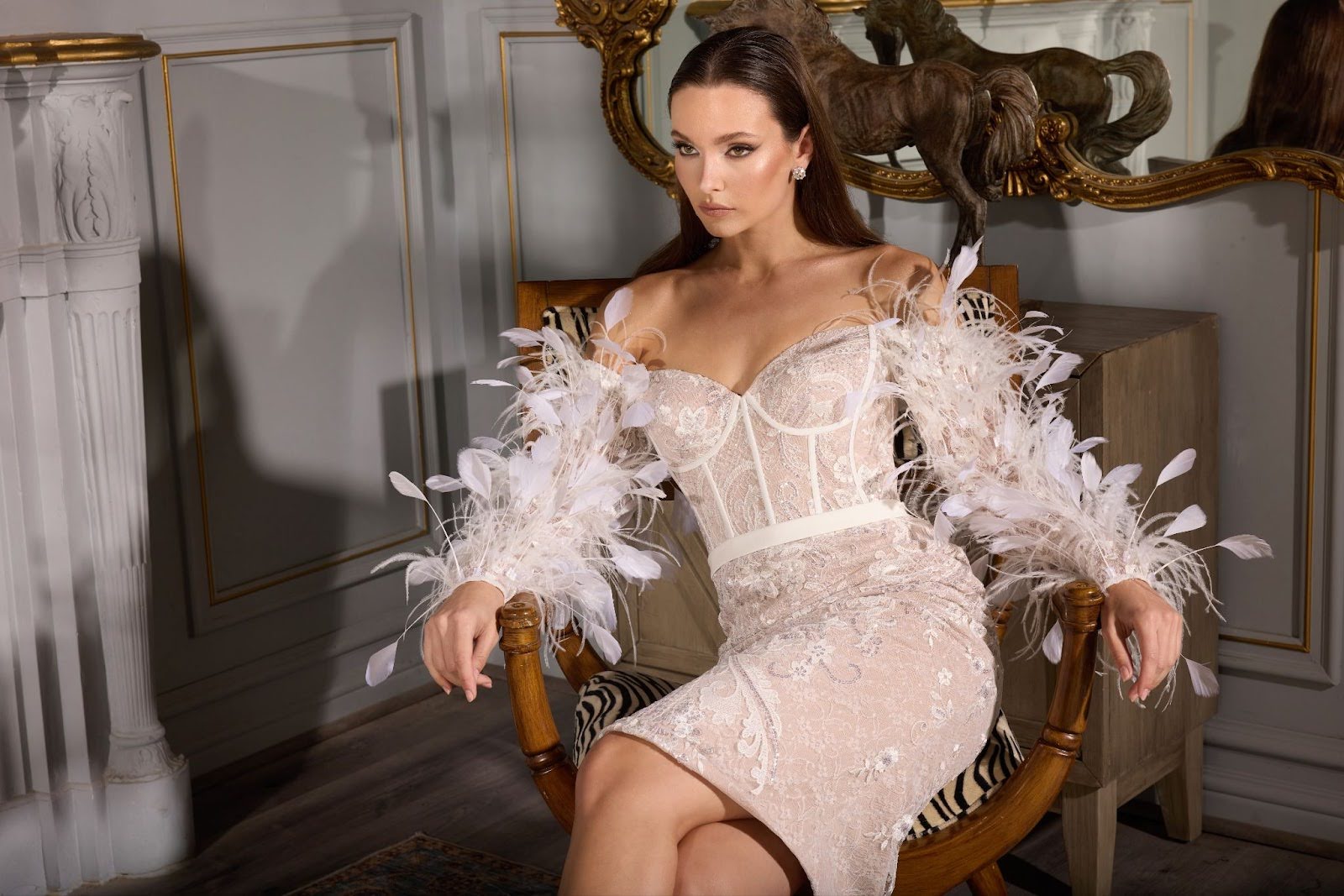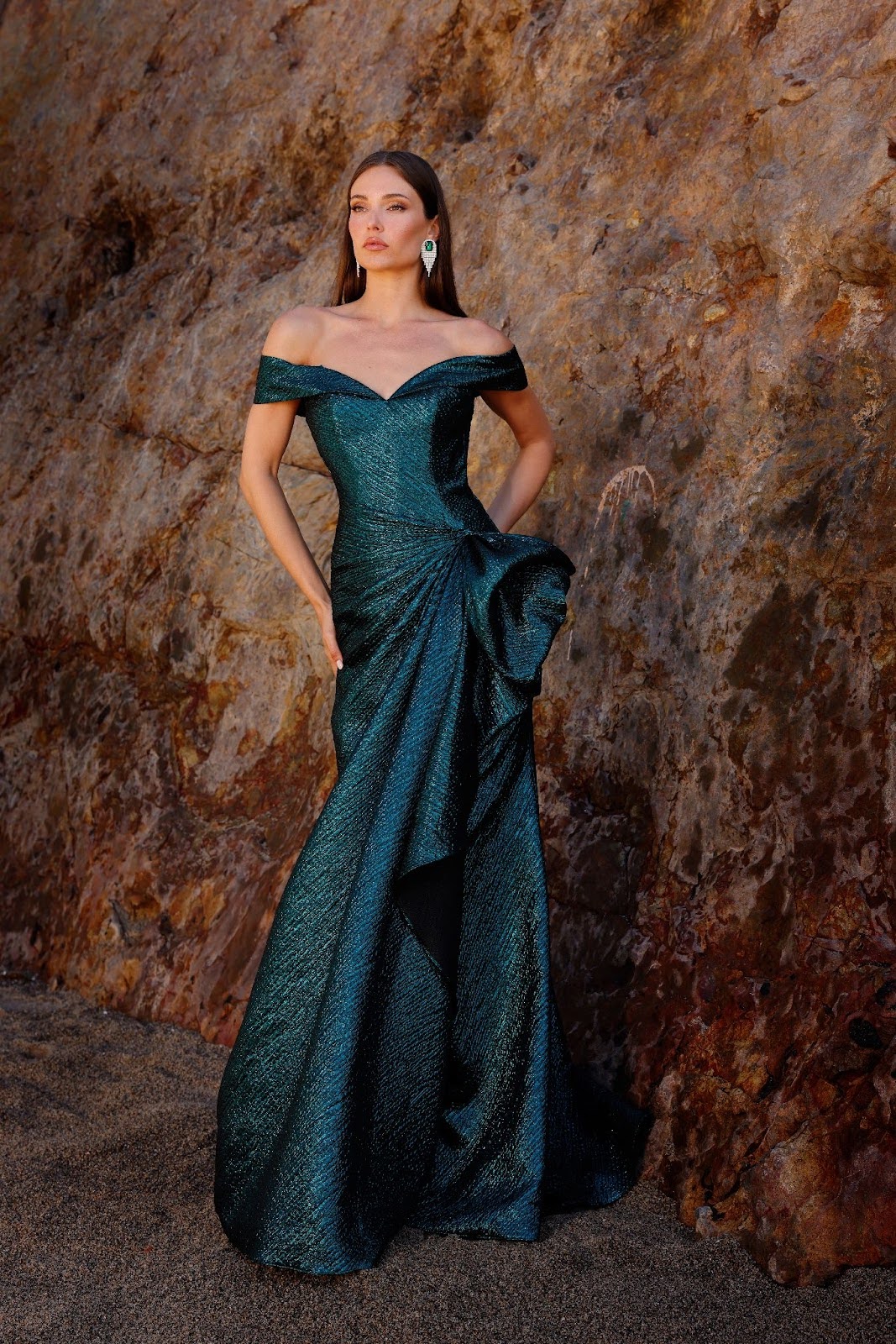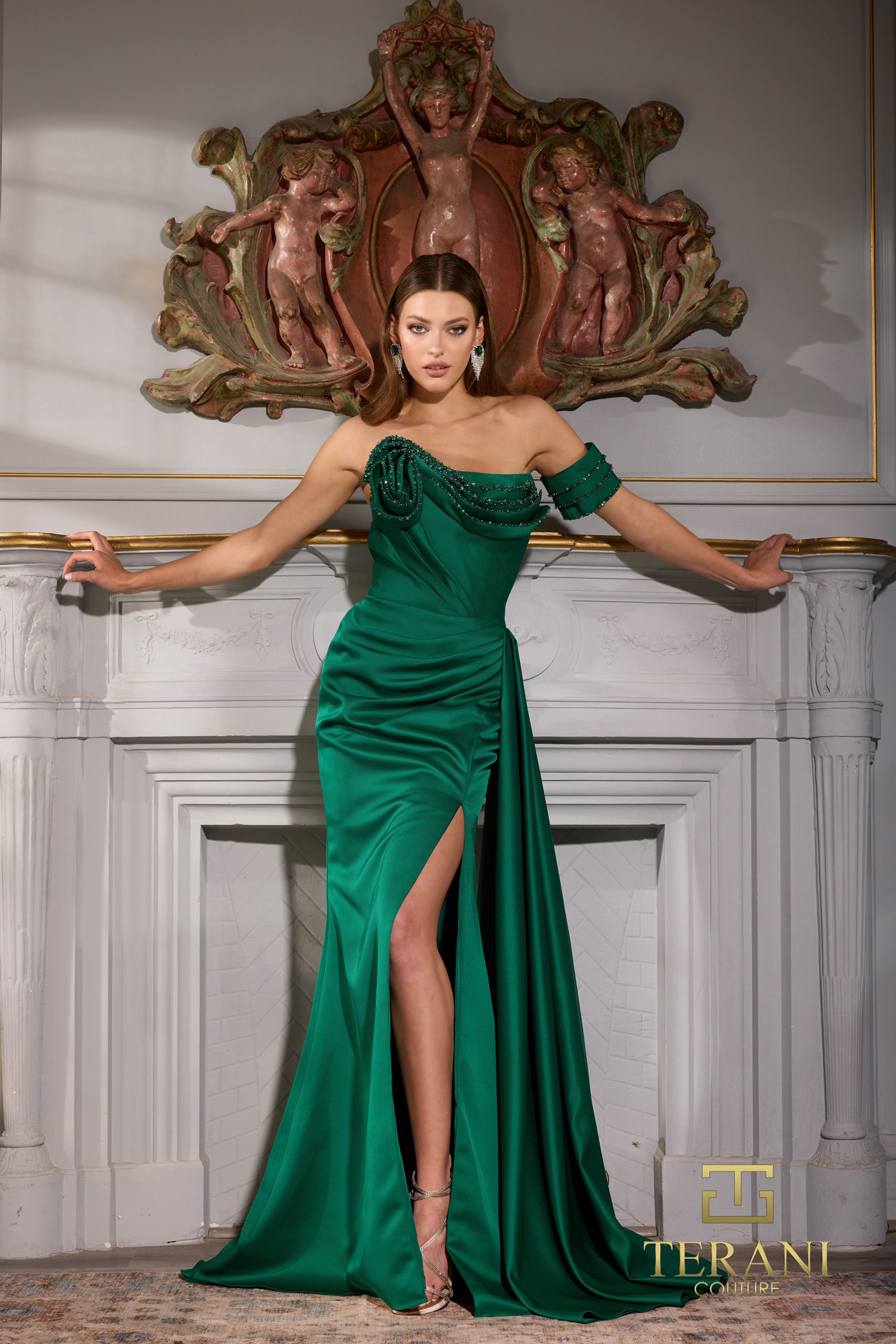
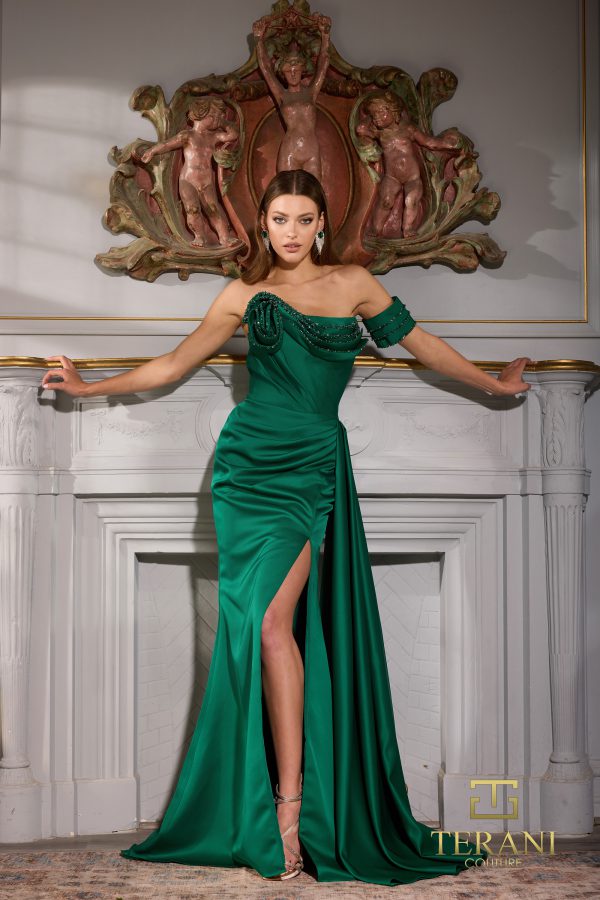

Transitioning evening wear from fall into the colder months requires balancing warmth, formality, and movement so outfits read gala-ready without sacrificing comfort.
This guide teaches practical strategies for selecting silhouettes, fabrics, colors, and accessory systems that carry a dress from crisp autumn evenings into mid-winter galas. Readers will learn which winter gala dress styles perform best, how fabric choices affect warmth and drape, and how to layer and accessorize for both indoor elegance and chilly arrivals.
Terani Couture’s Fall 2025 collections provide concrete examples of couture-level materials and silhouettes—including Evening Dresses and Luxury formal dresses—that illustrate these styling techniques.
What Are the Top Winter Gala Dress Styles for Fall-to-Winter Transitions?
Winter gala dress styles prioritize coverage, structure, and theatrical movement to communicate formality while mitigating cold. This section defines the silhouettes that read as appropriate for colder formal events and explains why each silhouette works, then offers quick styling swaps to increase warmth without losing silhouette integrity.
Understanding silhouette choices guides decisions about sleeves, shoulder structure, and skirt volume for a seamless seasonal transition. The following subsections detail which silhouettes are trending for 2025, how statement sleeves and structured shoulders function visually and practically, and which long-sleeve and floor-length options are best for winter galas.
Which silhouettes and details define 2025’s winter formal wear?
The leading silhouettes for winter gala dressing in 2025 are ball gown, mermaid, A-line, and sheath, each chosen for different formality and mobility needs. Ball gowns provide maximal insulation due to voluminous skirts and structured bodices, making them ideal for ultra-formal galas where a dramatic entrance matters.
Mermaid and trumpet silhouettes balance p-hugging tailoring with strategic paneling that allows for insulated linings or thermal slips, which keeps the silhouette sleek while adding warmth.
A-line and sheath dresses read as versatile choices for both black-tie and semi-formal winter events because they accept layered capes or stoles without distorting the gown’s intended drape.
How do statement sleeves and structured shoulders enhance gala gowns?
Statement sleeves and structured shoulders create visual drama while adding a functional layer between outerwear and the body, which increases perceived coverage for colder settings. Types of statement sleeves—puffed, bishop, bell, and long fitted sleeves—affect how a gown interacts with outer layers; for example, a fitted long sleeve slips under a lined cape more easily than an oversized bishop sleeve. Structured shoulders, achieved through internal tailoring or boning, frame jewelry and balance voluminous skirts, giving a couture silhouette that reads formal in winter lighting. These design details also change accessory choices, steering wearers toward streamlined clutches and simpler necklaces to avoid competing focal points.
What long sleeve and floor-length dress options suit colder gala events?
Long sleeves and floor-length hems are the simplest sartorial solutions for adding warmth without compromising formality, and they pair well with season-appropriate linings and underlayers.
Choose long sleeves with interior linings or closer-knit weaves to trap heat, and prefer sleeve closures or narrow cuffs to reduce drafts; these details keep the overall silhouette clean and reduce the need for bulky outerwear.
Floor-length hems protect legs from chill and allow for insulated underskirts or petticoats; a sweep hem can be combined with a thermal slip for added warmth while preserving movement. Selecting these options naturally leads to choices about fabric and finishing, which influence both insulation and drape for winter galas.
Which Luxury Fabrics Are Best for Cold Weather Formal Wear?
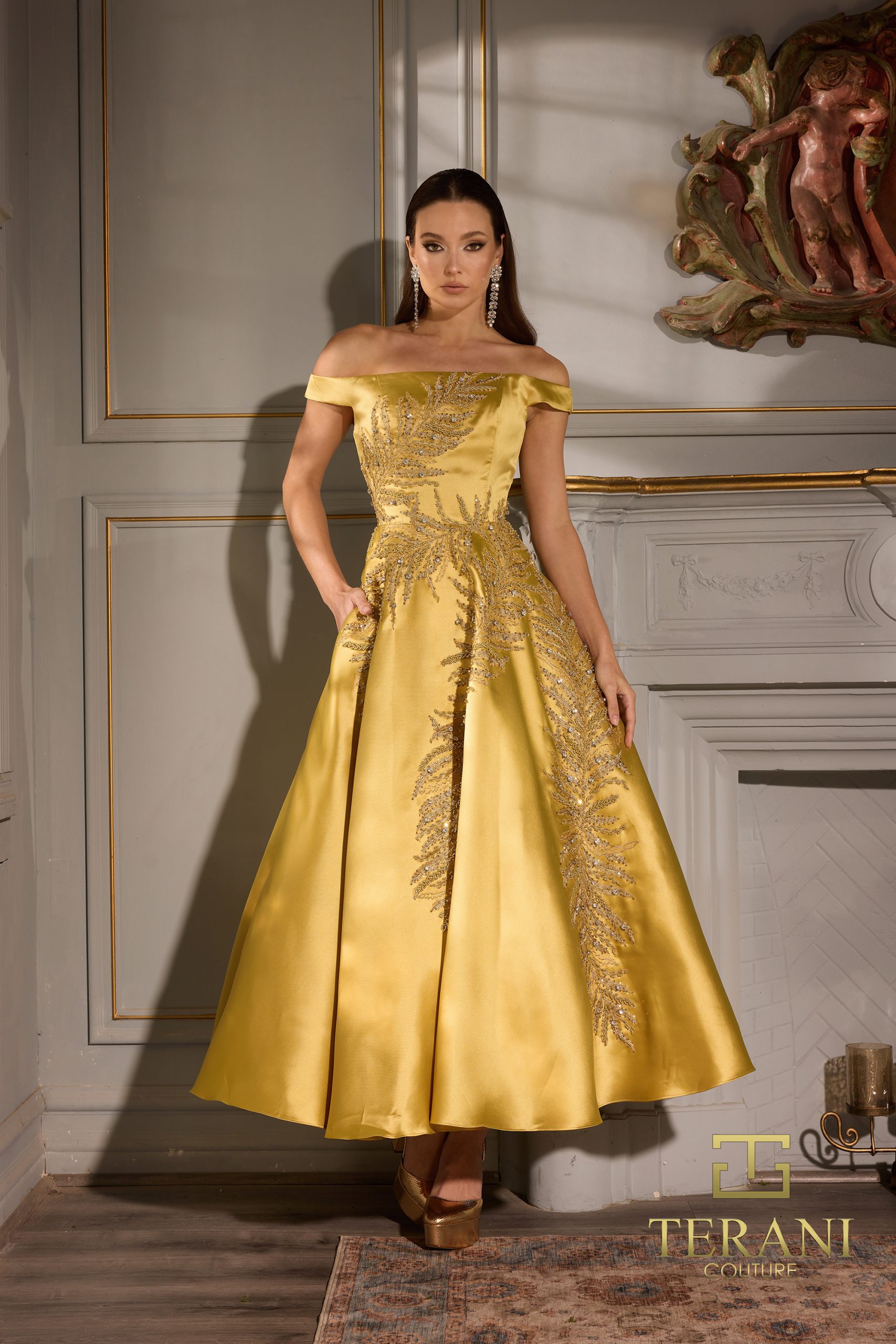
Selecting the right fabric determines how warm, structured, and luminous a gala dress will feel in cold weather, so fabric choice is the technical foundation of any fall-to-winter transition. This section compares velvet, satin, silk, and chiffon across warmth, drape, texture, and care, and explains how weave, weight, and lining choices influence an outfit’s seasonal performance.
It also highlights how Terani Couture employs premium materials to resolve the tension between glamour and functionality, using couture techniques and material choices to help dresses perform in colder conditions. The following table summarizes fabric attributes to support quick decision-making for winter galas.
Different luxury fabrics offer distinct seasonal advantages for formal wear.
| Fabric | Warmth / Insulation | Drape / Movement | Texture / Care |
|---|---|---|---|
| Velvet | High warmth; insulating pile | Holds structure; rich movement | Soft pile; dry-clean only |
| Satin (incl. charmeuse) | Medium warmth; reflective sheen | Fluid drape; clings to form | Smooth finish; requires gentle cleaning |
| Silk (charmeuse/foulard) | Low–medium warmth; elegant sheen | Lightweight drape; needs lining for winter | Delicate; professional care recommended |
| Chiffon | Low warmth; airy | Sheer, floaty movement | Lightweight; layering required for coverage |
This comparison highlights how velvet reads as the warmest and most winter-appropriate fabric while satin and silk prioritize sheen and movement, and chiffon requires additional layers to function in cold-weather galas.
What are the benefits of velvet, satin, silk, and chiffon for winter galas?
Velvet provides intrinsic insulation through its pile and showcases jewel tones with pronounced depth, making it a top choice for winter formality and photographic lighting. Satin and silk deliver luminous surfaces and fluid drape that flatter structured bodices and elongated silhouettes, though silk charmeuse often needs a warm lining for winter events.
Chiffon excels at creating layered movement and delicate overlays, which can be paired with heavier underlayers to achieve both warmth and ethereal visual effect. Understanding these benefits connects directly to tailoring and lining choices that allow each fabric to perform as intended during a fall-to-winter gala.
How do fabric properties like warmth and drape affect gala dress styling?
Fabric weight, weave, and lining determine how a dress holds shape, traps air, and presents under event lighting; heavier weaves trap more warmth but reduce fluid motion, while lighter weaves emphasize movement at the expense of insulation. For example, heavier velvet maintains voluminous skirts and structured sleeves, which simplifies outerwear choices, whereas silk charmeuse requires internal lining to avoid clinging cold to the skin.
Choose fabrics whose drape complements the intended silhouette—structured fabrics for ball gowns, fluid fabrics for sheath and column silhouettes—to preserve the gown’s visual intent while accommodating thermal layers. These material considerations lead directly into recommended care practices and Terani Couture’s approach to couture-level finishes.
How does Terani Couture incorporate premium materials in fall-to-winter collections?
Terani Couture’s designs reflect decades of couture experience and intentionally use lustrous silks, chiffons, charmeuses, and foulards alongside richer weaves like velvet to balance sheen and structure in seasonal pieces.
By combining delicate beadwork and elegantly form-fitted bodices with materials that read luxuriously in jewel tones, the brand crafts Evening Dresses and Luxury formal dresses that suit colder galas without sacrificing movement.
Terani’s Fall 2025 collections illustrate practical material pairings—structured velvets with lined interiors or satin gowns finished with internal thermal slips—that help a dress transition from crisp autumn evenings to winter galas. These curated material decisions inform both styling and care guidelines for long-term wear.
How Can You Master Seasonal Color Palettes for Fall and Winter Formal Wear?
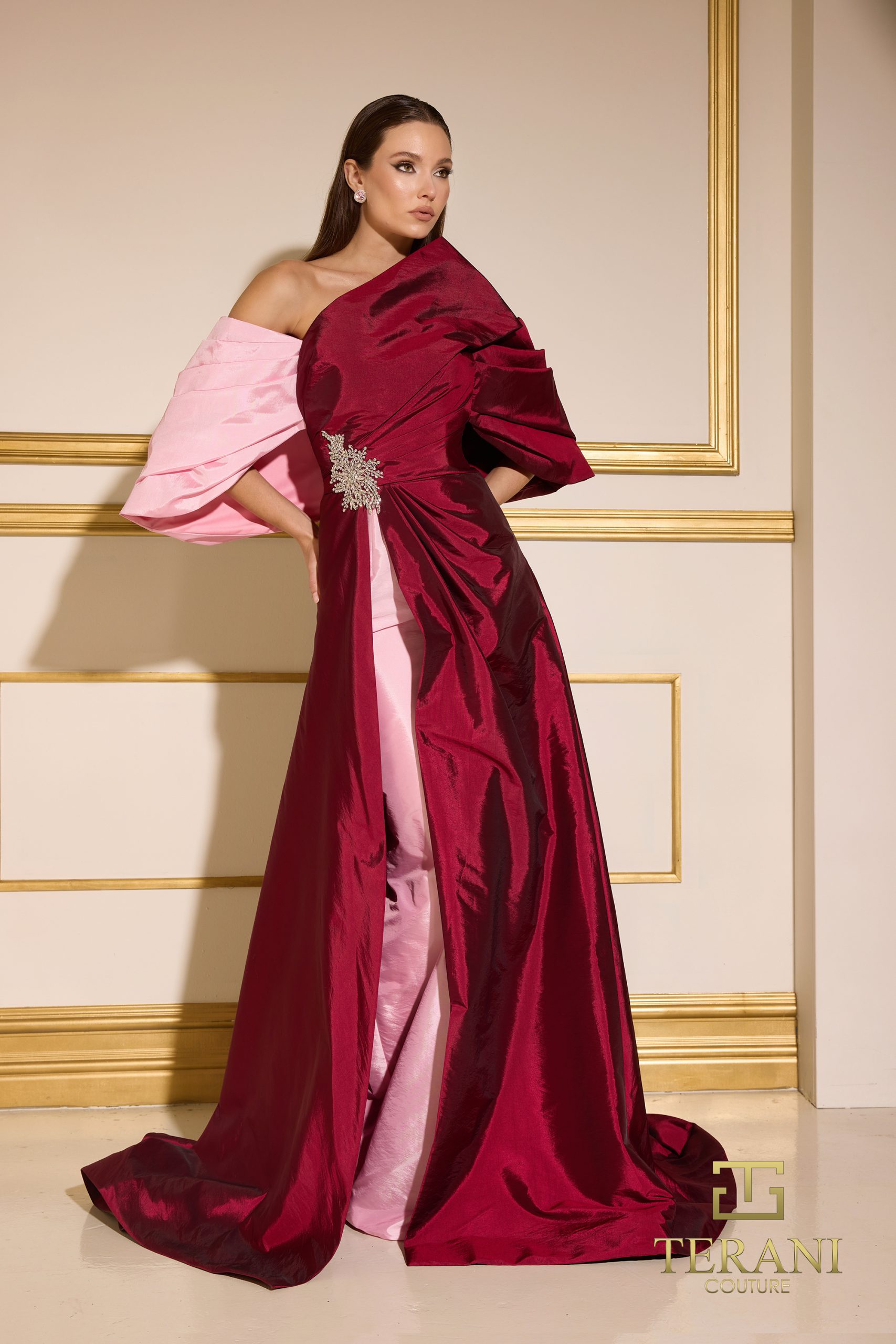
Color selection defines mood and perceived warmth in formal attire and can amplify the material qualities of a gown during fall-to-winter transitions. This section maps jewel tones and metallic accents to silhouette and skin-flattering strategies, explains why deep neutrals remain essential, and offers pairing rules for mixing rich colors with metallic highlights.
Learning seasonal color palettes helps you match accessories, outerwear, and makeup to create cohesive, gala-appropriate looks that photograph well in winter lighting. Below are the trending colors and pairing guidance for Winter 2025.
What jewel tones and metallics are trending for winter gala dresses in 2025?
Winter 2025 emphasizes saturated jewel tones—emerald, sapphire, ruby, and deep amethyst—paired with restrained metallics like brushed gold and pewter to create rich, layered looks. These colors read as luxurious under evening lights and pair exceptionally well with textured fabrics such as velvet and embellished satin.
Metallic accents are best used as highlights—belt hardware, clutch finishes, or beadwork—rather than full-surface treatments to avoid competing with deep tones.
Understanding these trends lets you select jewelry metals and accessory finishes that harmonize with the gown’s color while maintaining seasonal formality.
How do deep purples, emerald greens, and bitter chocolate browns elevate gala looks?
Deep jewel tones and dark neutrals convey depth, warmth, and maturity, enhancing a gown’s visual weight and suitability for colder seasons; for example, deep purple offers regal contrast to gold jewelry while emerald green pops against black-tie backgrounds.
Bitter chocolate brown reads as a modern neutral that supports both gold and rose-gold accents, and it translates particularly well in velvet or satin finishes to produce a luxurious effect.
These colors guide makeup choices—smoky eyes for purple, warm bronze for chocolate—and metal selection, helping to create a cohesive seasonal ensemble that reads intentional and elegant.
How to combine rich colors with formal dress styles for seasonal elegance?
Pair streamlined silhouettes with the deepest jewel tones to let color carry the drama, and reserve metallic accents for structured areas like waist embellishments or shoulder hardware to catch light without overwhelming the gown.
Use the rule of two: choose one dominant jewel tone and one metallic highlight to avoid visual clutter, and coordinate outerwear in neutral tones or complementary deep shades to maintain cohesion. For patterned or heavily beaded gowns, opt for subtler outer layers and jewelry to allow the primary dress to remain the focal point. These color-pairing rules set up accessory and layering choices tailored for winter galas.
What Are the Best Layering and Accessory Techniques for Fall-to-Winter Gala Outfits?
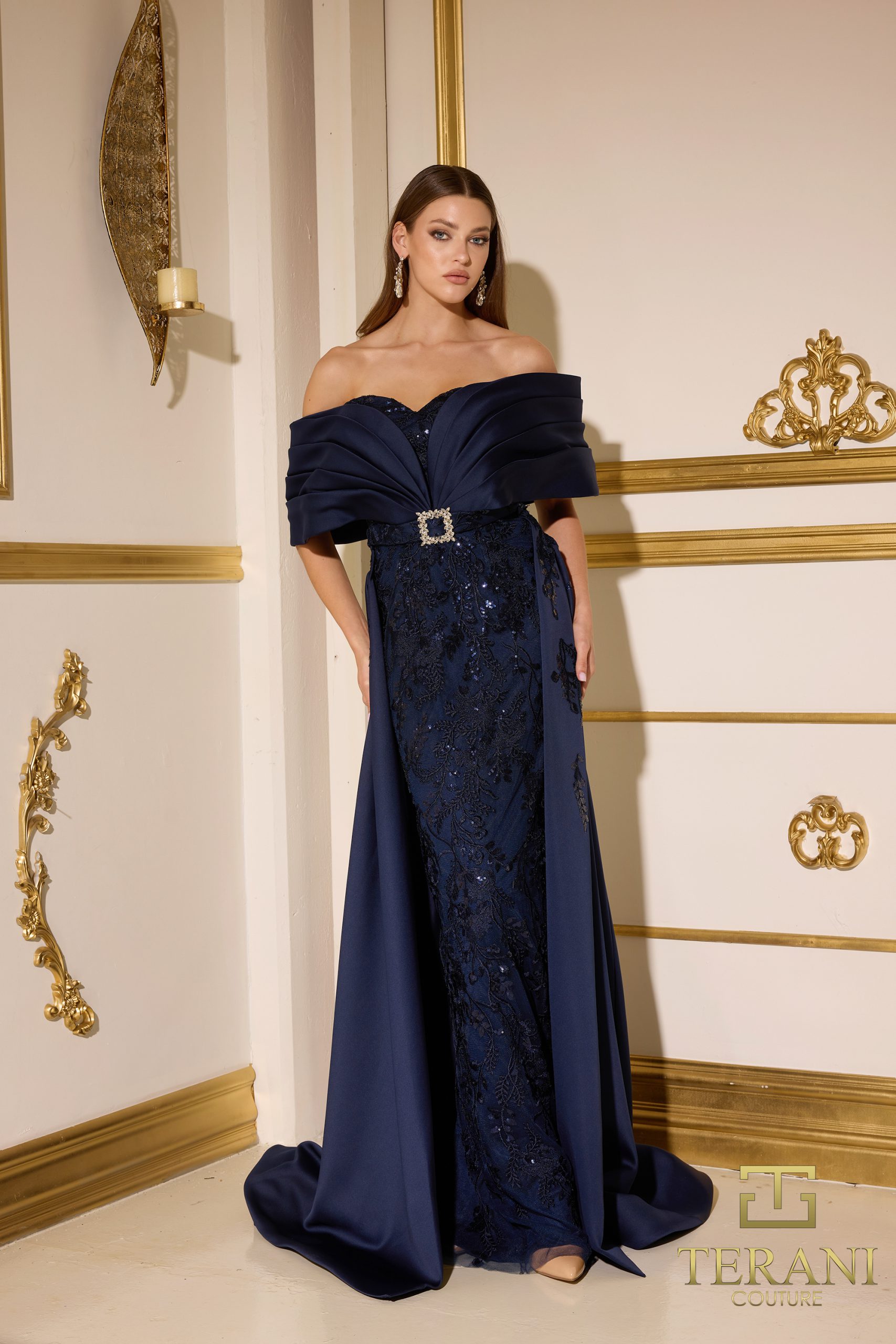
Smart layering and accessory choices add warmth while preserving a gown’s silhouette and formal tone, so prioritize elegant outerwear, considered jewelry scale, and practical footwear that reads formal. This section presents dos and don’ts for stoles, capes, and coats, advises on jewelry and clutch finishes, and outlines footwear solutions for icy arrivals and long receptions.
Practical tips include choices about linings, hosiery, and transportable warmers to keep you comfortable without detracting from couture aesthetics. Below is a quick-reference table comparing common accessory options for winter galas.
Choose outer layers and accessories that enhance warmth and formality without distorting the gown’s silhouette.
| Accessory | Warmth / Insulation | Formality / Pairing Recommendation |
|---|---|---|
| Faux fur stole | High warmth | Pairs with sleeveless satin or velvet gowns for vintage glamour |
| Lined cape | Medium–high warmth | Suites ball gowns and A-line dresses without obscuring silhouette |
| Structured coat (tailored) | High warmth | Best for arrival; check coat before entry to preserve formal look |
| Shawl / silk wrap | Low warmth | Decorative layer for indoor use or short outdoor exposure |
How to use shawls, capes, and faux fur stoles for warmth and style?
Shawls, capes, and faux fur stoles each serve different warmth and stylistic functions and should be matched to dress scale and fabric. A lightweight silk shawl or chiffon wrap is best for indoor time and layered over a lined slip, while a lined cape provides dramatic coverage that complements ball gowns and structured shoulders without adding bulk at the arms.
Faux fur stoles supply targeted insulation around the neck and shoulders and work particularly well with sleeveless or off-shoulder Evening Dresses that need a glamorous outer layer. When choosing any outer layer, consider length and texture so the accessory reads as part of the couture composition rather than an afterthought.
Which statement jewelry and metallic clutches complement winter formal wear?
Statement jewelry should be scaled to correspond with the gown’s neckline and sleeve profile; chandelier earrings or a collar necklace enhances strapless or off-shoulder gowns, while simpler stud earrings and a bracelet suit high-neck or embellished bodices.
Metallic clutches in matte or soft-brushed finishes perform well in winter lighting because they reflect light subtly and complement jewel tones without overwhelming the look. Balance is key: when a gown features intricate beadwork, choose minimal jewelry and a plain metallic clutch, and when the gown is monochrome, introduce a single statement-piece jewelry item to elevate the ensemble. These pairings lead naturally into footwear and practical arrival considerations.
What footwear choices best suit cold weather gala events?
Closed-toe pumps, dress booties, and embellished block heels combine elegance and practicality for colder venues and potential outdoor walkways; choose traction-friendly soles when ice or wet steps are likely.
Closed-toe options protect from cold and read more formal than open-toe sandals in winter, while embellished booties can echo a gown’s texture and provide extra warmth. Heel height should balance style and comfort—moderate heels perform better for long receptions and uneven surfaces—and consider hosiery or thermal insoles to maintain comfort during lengthy events.
These footwear choices complete the layered system that preserves both warmth and high-fashion presentation.
How Does Terani Couture’s Fall/Winter Gala Collection Reflect Seasonal Styling Trends?
This section highlights how Terani Couture’s Fall 2025 collections translate seasonal trends—velvet, jewel tones, statement sleeves—into wearable Evening Dresses and Luxury formal dresses that suit fall-to-winter galas.
It explains specific design features, material choices from the brand’s couture vocabulary, and practical shopping guidance for locating these pieces through official channels. Readers will see how Terani’s crafted silhouettes and material pairings address the styling problems described earlier and gain direction on how to adapt product examples to their own wardrobes. The following subsections spotlight examples of pieces that align to the trends discussed above.
Which Terani Couture evening dresses feature velvet and jewel tones for winter galas?
Terani Couture’s Fall 2025 collections include evening dresses rendered in deep jewel tones and richer textures—velvet and satin finishes that emphasize depth and sheen under gala lighting.
These pieces often combine a richly colored velvet skirt with an embellished bodice or integrate satin charmeuse panels for luminous movement, producing a balanced silhouette that reads both formal and seasonally appropriate.
Accessory pairings for these gowns favor faux fur stoles or lined capes and metallic clutches that pick up beadwork tones. Styling these gowns according to fabric and silhouette ensures that a Terani Luxury formal dress functions well for both arrival and the indoor program.
How do Terani’s designs incorporate statement sleeves and structured silhouettes?
Terani’s design language leverages couture tailoring to create statement sleeves and structured shoulders that retain sculptural integrity while allowing for comfortable movement and layering. Sleeves may be internally stabilized or lightly boned to sustain shape, and structured shoulders are balanced with form-fitted bodices to preserve the gown’s silhouette in photographs and under layered outerwear.
The brand’s use of delicate beadwork and carefully chosen linings enhances both the visual impact and wearability of these design elements. Understanding construction choices in Terani pieces helps buyers select styles that will receive minimal alteration for seasonal layering or lining upgrades.
Where can customers find Terani Couture’s fall-to-winter formal wear collections?
Terani Couture’s Fall 2025 collections are presented as curated groupings of Evening Dresses and Luxury formal dresses designed for seasonal wear, and shoppers are encouraged to explore these offerings through the brand’s official collection pages and authorized retailers.
When searching for a specific seasonal piece, look for collection descriptors that mention jewel tones, velvet finishes, or lined bodices as keywords to identify winter-appropriate options.
Retail staff and authorized sellers can advise on available linings or recommended alterations to increase warmth without changing a gown’s intended silhouette. These navigation tips make it easier to discover Terani Couture pieces that align with the styling strategies described earlier.
What Are Expert Tips for Styling Evening Wear Between Fall and Winter Seasons?
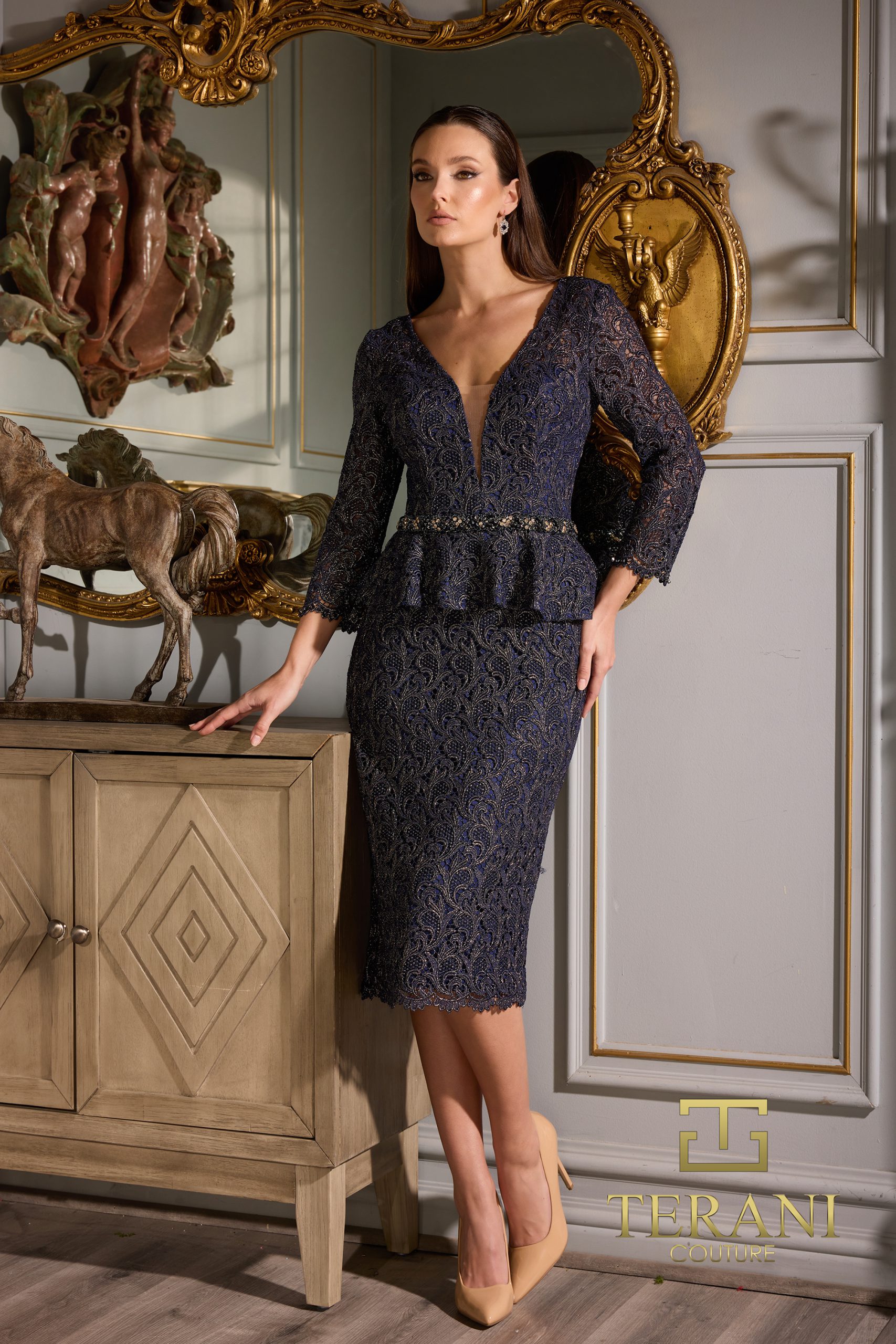
Expert styling for transition seasons prioritizes layered systems that preserve a gown’s silhouette while adding thermal function and polished finishing touches. This section supplies checklists and layered outfit “recipes” that map underlayers, outerwear, and accessory decisions to common silhouettes and fabrics.
It also gives transport and arrival tactics—such as how to manage outerwear during a coat check—that keep a gown pristine and ready for photos and performances. The actionable tips below help convert theoretical fabric and silhouette guidelines into wearable, repeatable gala strategies.
How to transition formal dresses seamlessly from fall to winter galas?
Transitioning a fall dress to a winter gala requires a short checklist: evaluate fabric and lining, add a thermal slip or lightweight insulating layer, select an outer layer (cape or lined coat), and choose closed-toe footwear plus hosiery appropriate to temperature.
For delicate silks and chiffons, prioritize a professional lining insertion to avoid altering drape, whereas heavier satins and velvets often need only a fitted thermal slip. Two conversion examples: add a lined cape and faux fur stole to a sleeveless satin gown, or insert a lightweight insulated lining into a chiffon-overlay A-line for added warmth. These steps make seasonal conversions both practical and couture-appropriate.
What layering strategies balance warmth and elegance for gala events?
Layering strategies should preserve the dress’s intended fall line while adding discrete insulation under or over the gown rather than in bulked visible areas.
Recommended recipes include: a thermal slip under a silk charmeuse gown with a lined cape over the shoulders; a petticoat under an A-line velvet gown with a short faux fur stole for neck warmth; or a tailored coat for arrival combined with a coat check and silk shawl for indoor time.
Each recipe matches underlayers to the gown’s drape and outer layers to the silhouette, maintaining elegance while improving comfort. These strategies inform garment selection and accessory balancing for real-world gala logistics.
How to accessorize for both seasonal comfort and high fashion?
Complete outfits use accessories that simultaneously solve warmth and aesthetic needs—faux fur stoles for neck insulation, lined gloves for hands, and metallic clutches for sparkle that won’t clash with beadwork.
Prioritize accessories that can be removed without disturbing hair and makeup for indoor photos, such as capes or stoles, and select jewelry scale to support the gown’s focal points rather than compete with them. Practical measures—thermal insoles, discreet hand-warmers in clutches, and garment bags that protect beadwork—help preserve both comfort and couture finishes. These accessory policies finalize a transition-ready gala look.
What Fabrics and Styles Should You Avoid for Fall-to-Winter Gala Transitions?
Some fabrics and silhouettes undermine warmth or formal presence in winter settings and should be avoided or modified to become gala-appropriate.
This section explains why lightweight summer fabrics fail in colder conditions, identifies risky silhouettes for winter galas, and offers direct modifications—adding sleeves, lining, or length—to preserve style while improving seasonal suitability.
The following subsections provide rationale and fix-it recommendations so readers can confidently adapt or replace problematic garments.
Why are lightweight or summer fabrics less suitable for winter galas?
Lightweight fabrics such as thin chiffons, unlined silks, and open-lace constructions lack insulation and often collapse against the body when exposed to chill, which compromises intended silhouettes and can feel underdressed at formal winter events.
Beyond thermal insufficiency, these fabrics may not support the structural beadwork or heavier linings that winter styling often requires, leading to visual and functional mismatch. Substitute with fabrics of similar visual weight—satin charmeuse for sheen, or layered chiffon over a warm lining—to maintain design intent while improving warmth. These substitutions preserve elegance and readiness for colder gala conditions.
Which dress silhouettes may not provide enough warmth or formality?
Beachy slip dresses, very short cocktail-length styles, and highly sheer, barely lined gowns risk appearing underdressed or inappropriate for formal winter galas due to insufficient coverage and thermal protection.
Fixes include lengthening hems to floor-length, adding long sleeves or detachable sleeves, and inserting a warm lining or slip to increase insulation while retaining the designer’s visual intent.
For heavily sheer gowns, consider an inner sheath in a complementary fabric or strategic layering that keeps the outer look intact. These modifications help retain style while achieving necessary seasonal performance.
How to Care for Luxury Evening Gowns During Fall and Winter Seasons?
Proper care preserves textile integrity and embellishments when gowns undergo seasonal wear, transport, and layered storage; winter conditions add moisture, salts from slush, and heavier outerwear abrasion risks that require considered maintenance.
This section provides storage, cleaning, and immediate post-event steps to protect velvet, satin, and silk, and addresses beadwork preservation and emergency repair protocols.
Following these care practices extends the life of Luxury formal dresses and ensures that couture finishes remain photo-ready throughout the season.
What are best practices for storing velvet, satin, and silk gowns?
Store velvet, satin, and silk in climate-stable conditions—cool, dry, and free from direct sunlight—to prevent pile crushing, color fading, and fiber degradation, and avoid plastic covers that trap moisture and can harm delicate finishes.
For structured gowns, use padded hangers and breathable garment bags; for heavily beaded or delicate pieces, consider flat boxed storage with acid-free tissue to support embellishments and prevent snags.
Check stored gowns seasonally for signs of moisture or pests and refresh interiors with gentle airing before events. These storage steps reduce the need for restorations and keep gowns ready for gala rotation.
How to maintain embellishments and delicate beadwork in colder months?
Embellished areas require special attention when layering and transporting to avoid abrasion from outerwear and to protect beadwork from moisture and salt exposure. When layering, choose smooth-backed capes or stoles and slip the garment into a soft-lined bag for transit; if the gown becomes wet, blot moisture and seek professional cleaning promptly to avoid bead loosening.
For minor repairs, keep a small kit of matching threads and spare beads, and consult professional couture repair services for significant issues. These preservation tactics maintain the garment’s integrity and ensure embellished Evening Dresses remain suitable for seasonal wear.
What Are the Most Frequently Asked Questions About Fall-to-Winter Gala Dress Styling?
This FAQ-style section answers common short queries about fabrics, styling steps, and trending colors for winter formal wear in 2025, providing concise, actionable lines ideal for quick reference.
Each answer points readers back to the detailed sections—fabrics, layering, and color palettes—so they can expand on recommendations. These short responses are optimized to deliver direct guidance for last-minute decisions and planning ahead for fall-to-winter galas.
What fabrics are ideal for a winter gala dress?
The best fabrics for winter galas are velvet for warmth and depth, satin or charmeuse for luminous drape when lined, and silk when paired with insulating linings; chiffon requires layers for cold conditions.
Choose based on the silhouette you prefer and the level of insulation needed, and consider internal linings or thermal slips for lighter fabrics. For formal consistency, prefer finishes that reflect light subtly, like jewel-tone velvet or satin, to read expensive in winter lighting.
How do you style an evening dress for a fall-to-winter gala?
Follow a stepwise approach: choose a winter-appropriate fabric and silhouette; add a thermal slip or lining if needed; select a formal outer layer (faux fur stole or lined cape); and finalize with closed-toe footwear and coordinated jewelry. Incorporate hosiery or insoles for extra warmth during transit and choose a clutch with room for small practical items like hand-warmers. These steps ensure a seamless transition from fall looks to winter gala readiness.
What colors are trending for winter formal wear in 2025?
Trending colors include emerald green, sapphire blue, ruby red, deep purple, bitter chocolate brown, and selective metallics like brushed gold and pewter; each color conveys depth and pairs well with velvet or satin textures.
Emerald and sapphire read vibrant in jewel-tone palettes, ruby and deep purple offer regal intensity, and bitter chocolate brown functions as a contemporary neutral that supports metallic accents. These choices help craft a seasonal palette that reads both formal and fashion-forward.
- Top styling takeaways: Prioritize fabric and silhouette first, then layer with lined capes or faux fur stoles for warmth without bulk.
- Quick shopping checklist: Seek velvet or lined satin for cold events, request linings for silk pieces, and choose closed-toe footwear.
- Care reminders: Store gowns in breathable bags, address moisture promptly, and protect beadwork from abrasion during layering.
These concise lists synthesize the guide’s core recommendations and make them easy to reference when preparing for fall-to-winter gala events.